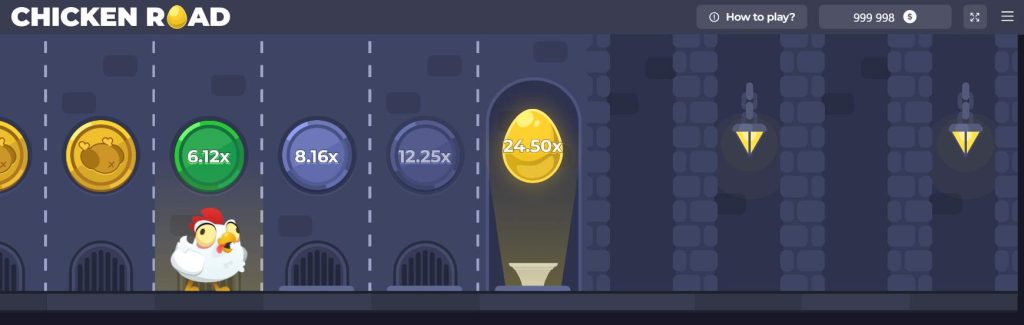
We need to clarify one crucial point before we explaining the symbols: Chicken Road new online is a standalone casino game, rather than a casino website, and in its typical form it is a crash-style game rather than a reel-based slot. That differentiation matters because the icons you view on screen are not paytable symbols waiting to land on a payline. They are gameplay markers, control cues and risk indicators. Once we understand what each element does, the game becomes far easier to interpret, and we can determine when to cash out instead of speculating at scatter or wild action.
Bonus Features, Multipliers and Risk Controls
Chicken Road maintains its feature set streamlined. The multiplier is the main reward mechanic, and the cash-out decision is the key player action. That directness is the point: we are not handling a screen full of bonus meters or hoping for a scatter trigger. We are controlling risk in real time. The game can still be thrilling, but the excitement comes from the increasing multiplier and the choice of when to stop rather than from a separate bonus round.
What Is Included
The core multiplier is the core feature, not a secondary bonus. As the chicken advances, the multiplier rises, and the cash-out value grows with it. Auto cash-out is a handy feature that lets us set a target in advance. Some versions also show round history, sound controls and a demo mode. These features assist the core loop rather than changing it. We view them as tools for control and insight, not as extra chances to win. The multiplier remains the only substantial reward mechanic.
What Is Absent
In the standard game we should not anticipate free spins, wilds, scatters, expanding symbols or a dedicated bonus round. Those are slot mechanics, and Chicken Road does not use reels or paylines. If a casino lobby describes the game with slot terminology, we check the actual game screen before concluding it has those features. A separate version with reels would be a different product with its own paytable and rules. We do not apply slot expectations to a crash game. That maintains our decisions grounded.
Special Symbols and Interface Icons Described
The symbols in Chicken Road are ideally understood as a pictorial language for the round. They tell us where the chicken is, what the live cash-out value is, and which controls are available. They do not make combinations, and they do not pay in groups. We interpret them in real time, because the value of a cash-out can shift within seconds. That is very different from a slot where a symbol combination is checked after the reels stop.
Round Symbols
The chicken is the primary gameplay symbol. It marks our position in the round and moves forward as the multiplier increases. It is not a wild that replaces for other symbols, and it does not start a bonus. The cars are the danger symbols: when one reaches the chicken, the round stops. The multiplier display is the value symbol, indicating what we would get if we cash out at that moment. We view these three elements in combination rather than as separate paytable entries. They are the core visual language of the game.
Control and Information Symbols
Control symbols are positioned around the play area and indicate what actions are accessible. The cash-out button fixes the current multiplier, the stake control adjusts the bet, and the auto cash-out option allows us to set a target before the round starts. History strips or previous-result displays show recent multipliers, but they do not forecast the next result. Sound and settings icons are tool items, not bonus triggers. We ought to know where each control is positioned before we commence, because a delayed click can affect the outcome.
- Chicken icon: displays our progress and current position in the round.
- Car icons: indicate collision risk and stop the round on contact.
- Multiplier display: shows the live cash-out value.
- Cash-out button: secures the current payout.
- Auto cash-out: establishes a target multiplier in advance.
- History strip: shows past results for information only.
Main Mechanics: Navigating Traffic for Payout Multipliers
A round begins when we place a stake and begin the chicken. The multiplier rises as the chicken advances, and traffic travels across the road. At any point before a car collides with the chicken, we can withdraw and take the stake multiplied by the current number. If we wait too long and the chicken is hit, the round finishes and the stake is forfeited. The core choice is not which symbol to match but when to exit. That is the whole risk-and-reward loop, and it is why the game feels closer to a live cash-out event than to a spinning slot.
We can consider the multiplier as a live price for our bet. Early in a round, the multiplier is small and the cash-out value is modest, but the likelihood of reaching that point is high. Later, the multiplier is more attractive, yet the remaining hazard is higher. There is no payline pattern to study; the only “way to win” is to cash out before the crash. That makes Chicken Road a game of timing and patience, discipline and pre-set rules rather than symbol alignment.
- Choose a stake that fits a session budget we have already determined.
- Initiate the round and watch the chicken move across the road.
- Monitor the multiplier rather than searching for payline patterns.
- Cash out at a goal we determined before the round began.
- End the session if we hit a loss cap or feel hurried.
RTP Volatility and Return Expectations
Theoretical payout is the expected payout to player over a very large number of rounds, and it is not a promise for a individual session. Chicken Road versions can be different, so we consult the in-game rules or information panel instead of presuming a figure from some other site. Crash-style games typically show returns in the medium-to-high 90s, but the exact number belongs to the version we are using. If the rules panel is absent or vague, we treat that as a motive to stop before betting real money.
Risk level is high in actual terms. Many rounds end early, and a tiny number run far enough to yield large multipliers. That profile can appeal to players who favor defined losses per round, but it can also lead to long losing streaks. We set a session budget, maintain stakes small relative to that budget, and steer clear of pursuing a big multiplier after a loss. The game’s return is based over thousands of rounds, not over the following spin or crossing. We also remember that a high multiplier is not “guaranteed” simply because recent rounds ended early.
Časté dotazy
Je Chicken Road automat nebo crash hru?
Ve své standardní podobě Chicken Road is hru typu crash rather than klasického automatu. Nastavíme sázku, kuře postupuje, and a multiplier rises until we cash out or a car ends the round. There are no reels, rows or paylines. Some lobbies may group it with slots, ale prověřujeme obrazovku hry a pravidla než předpokládáme mechaniku slotů.
Co znamenají speciální symboly v Chicken Road?
Slepice značí náš pokrok, auta označují riziko kolize, a ukazatel multiplikátoru zobrazuje současnou hodnotu výplaty. The cash-out button, ovládání sázky a možnost automatického výběru are interface tools spíše než symboly výplatní tabulky. Žádný z těchto symbolů není wild ani scatter. We read them as gameplay cues, ne jako symboly, které musí padnout v určitém vzoru.
Does Chicken Road have free spins, wilds or scatters?
Základní verze nevyužívá volná točení, wildy, scatters ani oddělené bonusové kolo. Multiplikátor je ústředním mechanismem výher, a rozhodnutí o výběru je hlavní funkcí. Pokud lobby používá terminologii slotů, ověřujeme skutečnou herní obrazovku. A reel-based version would be a different product s vlastní výplatní tabulkou a pravidly.
Jaké jsou RTP a volatilita Chicken Road?
Return percentage is the calculated return over a huge number of rounds, not a session guarantee. Exact Chicken Road figures can change by version, so we review the in-game rules panel. In real terms the game is a high-variance game: many rounds conclude early, while a fewer number reach higher multipliers. We set a budget and reasonable stakes to control that variance.
What are the available bet limits in Chicken Road?
Bet limits depend on the platform and the version of the game. We verify the minimum and maximum stake in the game panel before playing, and we check the display currency. A prudent stake ensures a single loss small relative to our session budget. We never assume limits from another site or from a screenshot.
Can I play Chicken Road for free?
Many versions offer a demo mode, but availability is based on the platform and region. We use demo mode to master the controls, try auto cash-out and comprehend the pace before staking real money. Demo credits hold no cash value. If no demo is provided, we read the rules carefully and begin with a small real-money stake.
What is maximum win in Chicken Road?
Chicken Road does not use a fixed or progressive jackpot in its standard form. The maximum payout is based on the multiplier cap, the stake limit and the rules of the version you play. A high maximum multiplier is not a probable outcome. We check the rules panel for any cap and view the maximum as an extreme tail result, not a target.
How Chicken Road Is and The Explanation Its Symbols Matter
Chicken Road often is found in casino lobbies alongside slots, and some players call it as a slot because it uses a bright, basic, arcade-like presentation. In the standard version, however, there are no spinning reels, no rows of symbols and no paylines. The chicken travels across a road while a multiplier grows, and cars introduce the risk of ending the round. We consider it as a crash game with a defined betting cycle: set a stake, start the round, watch the multiplier, and cash out before the collision.
A Crash Game Presented Beside Slots
That variation affects how we interpret the screen. A traditional slot expects us to match symbols, count paylines and look for wilds or scatters. Chicken Road asks us to monitor one number and one moving character. The “special symbols” are therefore functional: the chicken shows our progress, the cars display danger, and the multiplier shows the current cash-out value. If we look for free spins or expanding wilds, we will misread the game. If we understand the interface, we can zero in on timing and stake control.
How to Start Chicken Road Step by Step
Playing Chicken Road is simple, but a regular routine helps us avoid impulsive decisions. We commence in demo mode when possible, set the stake and currency, and decide whether we use manual or auto cash-out. Then we establish a target before the round begins. The aim is not to guess the exact moment of a crash; it is to choose a cash-out point that matches our budget and follow it. We keep the session short and review our results afterward. That routine is more beneficial than a hot streak.
- Launch the game and review the rules panel, including RTP and stake limits.
- Define a session budget and choose a stake that makes each loss small.
- Decide on a cash-out target prior to starting the round.
- Initiate the round and see the multiplier rise as the chicken moves forward.
- Cash out manually or allow auto cash-out trigger at the chosen target.
- Pause after a set number of rounds, a loss limit or a win limit.
After the round, we log whether we adhered to our plan rather than whether we won. essential reading A win that came from abandoning a sensible cash-out target is still a risk signal. A loss that kept within the plan is easier to accept. We also refrain from boosting stakes to recover a loss, because the next round is independent. If we sense rushed or frustrated, we pause. Chicken Road is a fast game, and speed is precisely why a written plan is important. We view breaks as part of the session, rather than an interruption.
Common Myths and What to Verify Prior to Playing
One common misconception is that Chicken Road is a slot with undisclosed paylines. In the regular version there are no reels, rows, paylines or ways-to-win combinations. The only means to collect is to cash out before the chicken is hit. Another misconception is that a prior low multiplier makes a high one more likely. Each round is unrelated, and history strips are for reference, not predictive. We should not read patterns into latest results or assume a “due” win. That mistake can lead to bigger stakes and poor timing.
Prior to playing for real money, we check the game rules, RTP disclosure, stake limits, currency and any multiplier cap. We confirm whether a demo mode is offered and whether the version matches the one described on the page. We also check that we are of legal age and that online gambling is legal in our Australian state or territory. If any detail is not clear, we ask support or choose not to play. Verification takes a minute and prevents preventable mistakes. We never rely on screenshots or third-party claims alone.
- Check the rules panel for RTP and any multiplier cap.
- Confirm the minimum and maximum stake in AUD or the displayed currency.
- Try the controls in demo mode if it is offered.
- Set a loss limit and a time limit before the first round.
- Confirm legal age and local gambling rules for your state or territory.
Stake Range, Payout Controls and Max Win Potential
Wager ranges vary by platform and by the version of Chicken Road on offer. We check the minimum and maximum stake in the game panel before we play, and we verify whether the display currency is AUD or another currency. A reasonable approach is to set a stake that keeps a losing round small relative to our session budget. Because each round can end quickly, repeated stakes can add up faster than they do in a slower slot. We never rely on a remembered limit from another site.
Payout controls are the most important part of stake management. Manual cash-out gives us full control but requires attention; auto cash-out lets us set a target multiplier and walk away from the screen. We can use auto cash-out to enforce discipline, but we should test it in demo mode first so we understand the timing. Max win potential depends on the multiplier cap and the table limit, not on a fixed jackpot. We check the rules for any cap and remember that a high maximum is not a likely outcome.